
Pregnancy and Postpartum Therapy in Denver, CO
Individual therapy, psychiatry, EMDR, and couples therapy during pregnancy and postpartum
Support for Postpartum Depression, Anxiety, and Birth Trauma
You’re adjusting to a new life—and it’s harder than you expected.
Care for new and expectant parents
Pregnancy and new parenthood can be a transitional time with lots of ups and downs, and for some can bring lots of intensity. While you may have expected some sleepless nights and mood shifts, the depth of your anxiety, disconnection, or grief might have taken you by surprise. You may feel ashamed for not loving every moment. You might ask yourself, “Why does this feel so overwhelming?”
You’re not alone. And you don’t have to figure this out by yourself.
At The Catalyst Center, we specialize in postpartum therapy for new moms and parents navigating the emotional landscape of pregnancy, postpartum, and early parenthood. Whether you’re dealing with postpartum depression, anxiety, or the lingering effects of a difficult or traumatic birth, or simply struggling to adjust to your new identity, compassionate support is available.
Pregnancy and postpartum care in Denver
We offer telehealth and in-person appointments at our Denver office, located at 300 S Jackson St, Suite 520, Denver, CO 80209.
Call 720-675-7123 or contact our intake team to discuss what you need.
“We forget that when a child is born, so is a mother. Support during this sacred transition isn’t a luxury—it’s essential.“
What Is Postpartum Therapy?
Postpartum therapy helps new mothers and parents process the emotional, physical, and hormonal shifts that come with pregnancy and early parenthood. It’s normal to experience mood changes, fatigue, and uncertainty during this time—but when these challenges feel overwhelming, therapy can help you feel more like yourself again.
Many of our clients are navigating:
-
-
Postpartum depression, anxiety, or OCD
-
Difficult or unexpected birth experiences
-
NICU stays or feeding challenges
-
Fertility struggles or grief after loss
-
Struggles with bonding or feeling “numb” toward your baby
-
Identity shifts and changes in relationships
-
Overwhelm while juggling parenting and work
-
Body image or eating concerns during pregnancy or postpartum
-

How Postpartum Therapy Helps You Heal and Reconnect with Yourself
In therapy, we create a safe and compassionate space for you to share what you’re experiencing without fear of judgment. We know that intrusive thoughts, overwhelming emotions, and exhaustion are real and valid.
Therapy may support you in:
- Processing grief, fear, guilt, or disappointment
- Making sense of your birth story
- Regulating panic and intrusive thoughts
- Strengthening your sense of identity and confidence
- Deepening your connection to yourself and your baby
- Navigating changes in sex, intimacy, and/or body image
Our Postpartum Therapy and Psychiatry Services
We welcome all paths to parenthood, including fathers and non-birthing partners, adoptive parents, and people navigating infertility or loss.
Individual therapy
Talk through anxiety, depression, intrusive thoughts or grief during pregnancy and after birth.
Perinatal psychiatry
Ask about medication during pregnancy or postpartum. With your permission, your provider can talk with your OB-GYN or therapist.
EMDR for birth trauma
Explore EMDR if parts of a difficult birth or a frightening medical experience still feel immediate when you remember them.
Couples therapy
Work through changes in intimacy, disagreements about who does what, or a birth experience you remember differently.
Not sure where to start? The first step is a free 15-minute call with Jenn. Therapy starts with a free 30-minute therapist consultation; psychiatry starts with a paid evaluation. Catalyst is private pay. We offer in-person and telehealth appointments.

When a difficult birth is still with you
Birth trauma can affect the person who gave birth or a partner who was there. If you replay what happened, feel on edge at appointments, or find it hard to talk about the birth, that’s something you can bring to therapy.
More about your treatment options
EMDR for difficult birth experiences
EMDR may be part of your care if memories of a difficult birth, NICU stay, or frightening medical event still feel overwhelming. Your therapist can talk with you about what you want to work on and how to pace the sessions.
Integrative psychiatry
A psychiatric evaluation gives you space to discuss concerns such as postpartum depression, anxiety, or OCD. Our providers consider sleep, nutrition, hormonal changes, and mental health, and can talk through medication questions during pregnancy or after birth.
Explore integrative psychiatry. Read Erin Wyatt’s article on hormones and mental health.
Couples therapy during pregnancy and postpartum
Couples therapy gives you a place to talk through changes in intimacy, communication, and responsibilities. You can also prepare for parenthood together or make sense of a difficult birth or NICU stay you experienced together.
Somatic therapy
Somatic approaches help you notice how stress shows up in your body. A therapist may use grounding and body awareness to help you respond to tension, fear, or overwhelm at a pace that feels manageable.
Neurofeedback
Neurofeedback uses sensors to give you feedback about brain activity during training. If sleep or stress is a concern, ask your clinician whether it fits your care plan.
Our Experience Supporting Maternal Mental Health
At The Catalyst Center, our clinicians bring years of specialized experience in perinatal and postpartum mental health. Many of us have advanced training in maternal mental health, trauma therapy, and birth-related trauma. We are not just trauma-informed—we are trauma specialists who know how to walk alongside you with empathy, professionalism, and evidence-based care.
We’ve supported clients through pregnancies filled with fear, births that didn’t go as planned, postpartum periods that felt isolating, and transitions that challenged their sense of identity. Wherever you are in your journey, you can find steady, knowledgeable, and compassionate support here.
Change Begins Here
Contact Us to learn more about how we can help you navigate pregnancy, the postpartum transition, or the lingering effects of birth trauma.
Common Questions About Postpartum Therapy and Psychiatry
Can I bring my baby to therapy?
In most cases, yes—especially newborns! We also offer flexible virtual therapy options so you can get support from home without added logistics.
Is it normal to have scary thoughts after giving birth?
Scary thoughts can happen after giving birth, and they’re worth talking about. They can be part of the normal range of postpartum experiences, and they can be a sign you need more support. Tell your OB-GYN, midwife, or a perinatal mental health clinician what you’re experiencing. We can talk through what the thoughts are like, how often they come up, and what kind of support would help. If these thoughts cross into a place where you aren’t sure you can keep yourself and your baby safe, urgent support is needed.
What’s the difference between the baby blues and postpartum depression?
Baby blues are very common and usually resolve within 2–3 weeks after birth. Postpartum depression and anxiety are more intense and longer-lasting. If you’re not feeling like yourself, it’s worth reaching out—we can help you understand what’s going on.
Is it normal to feel disconnected from my baby?
Yes. Bonding isn’t always instant. Feeling detached can be part of postpartum depression or trauma. With the right support, connection can be built—even if it takes time.
Pregnancy and Postpartum Clinicians

Susan Smith, LPC

Lauren Pinneo, MSW, LCSW, LAC

Kendra Doukas, MS, LMFT

Katie Godfrey, PhD, LMFT

Hannah Pitts, MSW, LCSW, RPT

Erin Jacklin, PsyD, LCP

CJ Clinkscales, PsyD, LCP
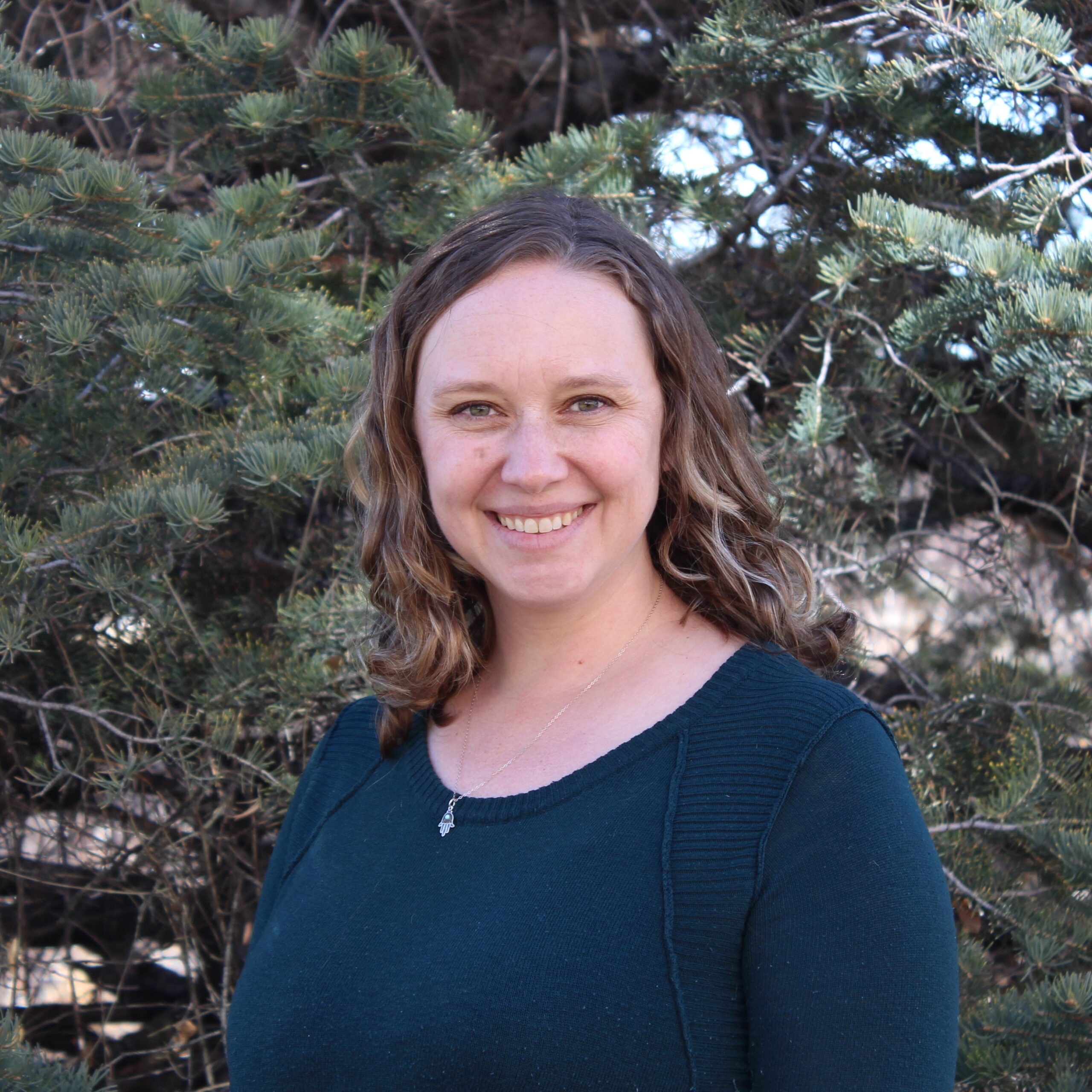
AJ Grovert, PsyD, LCP
You Deserve Support in This Life-Changing Transition
Whether you’re pregnant, newly postpartum, or a few years into parenting and still not feeling like yourself—we’re here to help.
Here are a few easy ways to reach out:
📞 Call 720-675-7123 and press “1” to speak with our intake team.
💬 Prefer online? Fill out the contact form to request an appointment or ask a question.
Or, if you’re ready, click below to schedule a free introductory call at a time that works for you.