

Some losses are easy to name. Others are harder to explain, even to ourselves. One of the hardest is realizing you didn’t get the parent you needed, the one who would have noticed your feelings, kept you safe, delighted in who you were, and helped you make sense of the world.
Maybe there was substance use in your home, or a parent was struggling with untreated mental health concerns or trauma of their own. Maybe you never understood why things were the way they were. What you do know is that the person you depended on could be frightening, unpredictable, neglectful, or abusive. You may have spent your childhood trying to stay out of the way, keep the peace, or take care of the adults.
The parent you needed may never have existed. Or they existed in fragments: loving on good days, frightening, critical, or absent on others. Some people recognize this in childhood. Others don’t see it clearly until adulthood, perhaps when they become parents themselves, start therapy, or notice painful patterns in their relationships.
You can care about your parent and have compassion for them and what shaped them while also being honest about what happened to you. Understanding why someone hurt you doesn’t make it okay or erase their responsibility for the impact. They may not be willing or able to talk about it now. You don’t have to pretend it didn’t happen.
This kind of grief is real, even when no one has died. You can love a parent and still grieve the care you needed but didn’t receive.
Can you grieve a parent who is still alive?
Yes, you can grieve a parent who is still here. You may be grieving care and safety you never had, or a parent who could be there at one time but no longer can. Some parents were present in moments and unavailable, frightening, or unpredictable in others. You might find yourself hoping that this time will be different. Perhaps they seem steady, listen, or make a promise, and you let yourself believe you can finally rely on them. Then the old pattern returns. That cycle of hope and disappointment can leave you grieving the relationship you keep reaching for, as well as what you needed as a child.
I’m a successful adult now. Why am I still so upset about my parents?
You may have built a life you love and still find yourself distressed by your relationship with them. That doesn’t mean you’ve failed to move on. The pattern may not be safely in the past: it may still be happening, and you may still be adjusting your life around managing them.
Maybe you sit through a family dinner walking on eggshells, waiting for the next explosion. When you meet your mother, you can’t relax until you see her and can tell she hasn’t been drinking that day. You wait until you see their grandparents coming around the corner before you tell your kids they’re coming to visit, because too many times you’ve had to explain why they mysteriously didn’t show up. And if you notice yourself making excuses for your parents—to your children, your friends, your partner, or even yourself—that may be a signal to pause and pay attention to what you’re having to explain away.
What you grieve may be less about what happened and more about what didn’t: comfort that never came, curiosity about your inner world, a parent you could turn to without bracing yourself. You do not have to prove that your childhood was bad enough before you are allowed to feel that loss.
Why do I feel guilty for being hurt by my parents?
‘They tried their best.’ ‘Other people had it worse.’ ‘They did much better than their own parents did.’ ‘They’ve had a hard life.’ These thoughts can make it difficult to acknowledge what happened and what was missing. In families affected by abuse or alcoholism, talking about what goes on at home can be an unspoken taboo. Even in the privacy of a therapy appointment, telling the truth may feel dangerous or disloyal.
A parent can work hard, make sacrifices, and love you while being unable to give you the emotional care you needed. Recognizing that doesn’t erase the good parts. The good parts don’t erase the painful ones, either.
If you were trained to take care of your parent’s feelings, noticing your own may feel selfish. It isn’t. You can have compassion for what they went through and still be angry about what happened to you. Understanding why someone hurt you is not the same as deciding that the hurt did not matter. Naming the truth of what happened can be a powerful step in healing.
How can childhood emotional neglect affect adult relationships?
As a child, you may have adapted by becoming easy to care for, exceptionally capable, or very good at reading other people’s moods. Those adaptations may have helped you get through your childhood. In adulthood, they can make it harder to recognize what you need or believe that anyone will respond.
You might notice that you:
- Apologize for needing reassurance, even from people who care about you.
- Handle everything alone, then feel hurt that no one notices you need help.
- Become anxious when someone is disappointed, as though you must immediately fix it.
- Choose familiar relationships in which you listen, soothe, and accommodate but rarely feel understood.
- Know what everyone else wants but draw a blank when someone asks what you want.
These patterns are not proof of a diagnosis, and people respond to childhood experiences in different ways. They are possibilities to explore, not another checklist for deciding what is wrong with you.
For example, if a partner says, “You seem upset,” you may automatically answer, “I’m fine.” Later, you feel lonely. The question may not be why you are bad at communicating. It may be what happened when you showed sadness or anger growing up, and whether part of you still expects the same response.
Does it matter whether my parent was narcissistic, had BPD, or drank too much?
It can help to understand the patterns in your family. It is also possible to get stuck trying to find the perfect label before giving yourself permission to seek support.
In some families, a parent’s need for admiration, control, or reassurance leaves little room for the child to be a separate person. In others, intense emotional reactions or unpredictable behavior leave children constantly watching for the next change in mood. When alcohol or other substance use disrupts family life, children may learn to keep secrets, take on adult responsibilities, or distrust promises that things will be different.
Those experiences can overlap, but they are not interchangeable diagnoses. Having borderline personality disorder does not mean a person is an abusive parent. BPD has multiple contributing factors, and effective treatment is available. Likewise, a painful parenting behavior alone does not establish narcissistic personality disorder or a substance use disorder.
You do not need to diagnose your parent to name what happened: “I was afraid to disagree.” “I had to take care of the adults.” “There wasn’t room for my feelings.” Therapy can start there, with your experience and its effects on your life now.
Why do I keep hoping my parent will change?
Because wanting care from a parent is not something we automatically outgrow. You may understand their limitations and still hope that this visit, this conversation, or this achievement will finally bring the response you have wanted for years.
Letting yourself see the pattern can be painful. It may mean grieving not only what happened in childhood, but the future relationship you kept waiting for. That does not require deciding your parent is incapable of change. It means making choices based on how they relate to you now, rather than putting your life on hold until they become different.
Grief can return when you become a parent, see a friend receive the support you wanted, or find yourself caring for an aging parent. When that parent dies, sadness may coexist with relief, anger, or grief for an apology that can no longer come. Mixed feelings do not make you a bad child.
Do I have to forgive my parent or cut off contact to heal?
No. Neither forgiveness nor estrangement should be a requirement someone else sets for your recovery. Some people want a relationship with clearer limits. Others need less contact, a temporary break, or no contact. You may not know what you want yet, and you are allowed to take time.
A useful starting point is to notice what happens before, during, and after contact. Can you disagree without being punished? Are limits respected? Do you leave feeling connected, or spend days recovering? What kind of contact is manageable for you now?
A boundary might mean keeping visits shorter, declining a topic, or ending a call when yelling begins. It does not guarantee that your parent will understand or approve. If setting a limit could lead to threats, violence, or retaliation, seek individual support to think through safety rather than trying a confrontation on your own.
How can therapy help me grieve the parent I never had?
Therapy can give you room to say things you have spent years explaining away. You do not have to arrive with a diagnosis for your parent, a plan for the relationship, or a decision about forgiveness.
The work may involve mourning what was missing, recognizing beliefs such as “my needs are a burden,” and noticing how old expectations show up in present relationships. Sometimes it means slowing down enough to feel the sadness beneath the competent person who has always handled everything.
It can also be practical. You might practice asking for help without immediately taking the request back, identify a limit you want to set, or notice when you are treating someone’s disappointment as an emergency. If painful memories remain overwhelming, you and your therapist can discuss whether a trauma-focused approach fits your needs.
Healing does not mean becoming someone who no longer needs anyone. It can mean learning which relationships can offer care, letting that care matter, and giving yourself more choices than you had as a child.
How can I find a therapist in Denver for childhood and family wounds?
At The Catalyst Center, several clinicians bring relevant perspectives to this work:

Ana Clements-Benedict, PsyD, is a postdoctoral fellow whose psychodynamic and relational work includes attachment issues, adult children of narcissistic parents, and grief for the parent someone needed but did not have.

Gabriella Potter, PsyD, is a postdoctoral fellow who works with grief, trauma, and identity. Their relational approach makes room for loss and the family messages that can shape how people see themselves.

If one part of you still hopes your parent will change while another wants distance, Susan can help you explore that conflict. Her work includes grief, childhood attachment wounds, IFS and EMDR.

Explore how the relationship with your parent shaped what you expect from closeness now, including feelings you learned to hide or judge. Cory works with grief, shame and trauma using depth-oriented therapy.
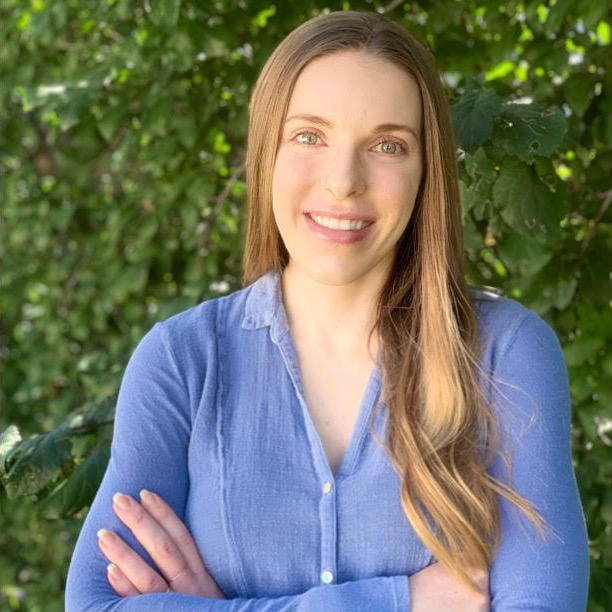
If the pain of your relationship with a parent is spilling into your partnership, Allison can help you explore the cycle between you and what each person needs beneath it. She works with adults and couples navigating grief and trauma.
Erin Jacklin, PsyD, LCP wrote this article and brings a background in trauma and depth-oriented psychotherapy to the topic of childhood and family wounds.
You can schedule a free 15-minute introductory call with Jenn, our intake coordinator, or contact us to talk about fit and current openings. This is a conversation about getting connected with care, not a therapy session.
Book a Free 15-Minute Call With Jenn
You didn’t choose the parent you got. You can choose what kind of support you have now.
Sources and further reading
National Institute of Mental Health — Borderline personality disorder
Further reading that may help you find language for your experience includes Trapped in the Mirror by Elan Golomb; Children of the Self-Absorbed by Nina W. Brown; Adult Children of Alcoholics by Janet G. Woititz; and I’m Glad My Mom Died by Jennette McCurdy. McCurdy’s memoir includes abuse and eating-disorder content. Books offer perspectives rather than a diagnosis of your family.