
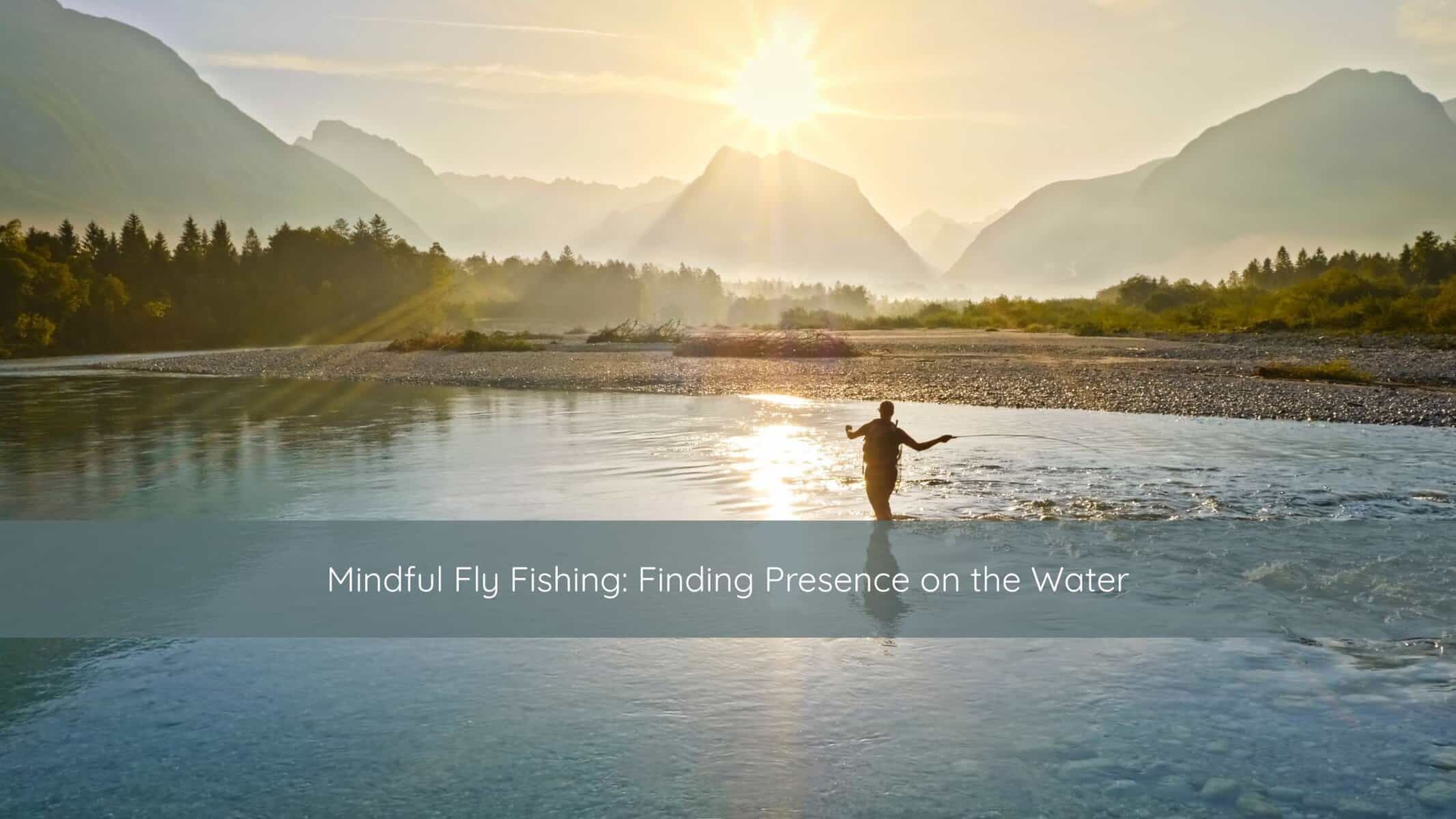
Mindful Fly Fishing: Finding Presence on the Water
Mindfulness is something available to us at all times, even though we often imagine it happening on a meditation cushion or within a structured practice. Yet many people find mindfulness far more accessible when it blends into things that already feel familiar and grounding. Outdoor activities, especially fishing, offer a seamless way to weave mindful moments into an experience you may already love.
Mindful fly fishing naturally invites this kind of awareness. Whether you’re slowing down to take in the landscape, noticing the gentle pauses between casts, or feeling the subtle tug of a fish on the line, each moment creates space for presence to unfold without effort. Techniques like breath work, body scanning, and sensory noticing can help fly fishing become more than a pastime. They open a path back to the steadiness we often lose in the busyness of daily life.
Breath Work: Letting the Cast Become a Rhythm of Presence
One of the simplest ways to integrate mindfulness with fly fishing is through the breath. Many anglers already inhale as they lift the line and exhale as the cast rolls out across the water. When that breath becomes intentional, something shifts. You become present with the cast, the line unfurling, and the quiet moment holding everything in place.
You might begin with a slow breath while drawing the line behind you. As the rod loads and the cast unfolds forward, let the exhale fall out naturally. The rhythm of fly casting already exists; mindful breath turns that rhythm into an anchor.
You can also let your breath mirror the movements around you. The soft ripple near the bank, the rings left by a rising trout, or the subtle motion of your fly easing downstream can each cue the body to soften. Steady breathing paired with casting helps calm the mind without feeling forced. Presence grows out of what the body is already doing, and before long the weight of daily life loosens its grip.
Body Scanning: Reconnecting With Where You Are
Fishing often involves long stretches of quiet waiting, watching, and taking in details. Even as you look outward for signs of where fish might be holding, there are many opportunities to look inward as well. We live in our bodies constantly, yet we rarely pay attention to the signals they send about tension, emotion, or energy.
Standing in the river, you might notice your feet braced against the riverbed or how the current presses against your legs. You might feel the weight of the rod, the slight flex of the tip, or the familiar tension in your shoulders before your next cast. Without judgment, let anything tight soften a bit.
A body scan may show how your posture shifts as you walk the bank or how your arm settles after each cast. You’re not trying to correct anything. You’re simply acknowledging the body you’re in, moment by moment. When a fish takes the fly, the rush of excitement brings its own mix of sensations—from the first pull on the line to the flash of the fish breaking the surface. Mindfulness doesn’t require you to change any of it. It simply invites you to be there with what’s already happening.

Sensory Awareness: Letting the Water Draw You In
Fishing is rich with sensory detail, which makes it a natural setting for grounding. The environment gently nudges you back into the present without demanding much effort. Of note, research highlighted by the American Psychological Association shows that time spent in nature can support emotional regulation and stress reduction.
You might hear the steady hush of moving water or notice the temperature shift when a cloud drifts overhead. Sunlight might spark off the river in a way that feels almost alive. The scent of damp earth, the feel of wind brushing your face, and the slow drift of your line downstream all invite you to settle more deeply into the moment.
On still lakes, sensory awareness might show up through reflections on the water, the quiet slide of your fly on the surface, or the low hum of wind against the trees. These details awaken parts of the mind that often go quiet in the rush of everyday life. As your senses wake up, internal chatter softens. You might remember there is beauty to notice, as long as you slow down enough to see it.
Letting Mindfulness Be a Companion, Not a Task
The most meaningful part of mindful fly fishing is letting the practice unfold rather than forcing it. You’re not striving for a perfect state of mind or aiming to “do mindfulness right.” You’re simply noticing what’s already here: breath, body, water, motion, stillness.
Fly fishing carries its own natural ingredients for presence—patience, repetition, slowness, and a bit of uncertainty. Mindfulness brings these qualities into clearer focus. In a world that constantly pulls attention in different directions, water offers something steadier. It offers a place to breathe, to feel, and to return to yourself one cast, one breath, and one moment at a time.
Ready to get started?
If you’re exploring new ways to reconnect with steadiness and presence, you don’t have to do it alone. The therapists at The Catalyst Center is here to support you. Reach out whenever you’re ready.