Sarah Long, PsyD, LCP
Licensed Clinical Psychologist
Certified Psychedelic-Assisted Therapy Provider
Clinical Lead — Assessment, Eating Disorders, and KAP Teams
Specialty Areas
- Trauma and PTSD
- Veterans, First Responders, and Military Families
- Psychedelic-Assisted Therapy (KAP)
- Eating Disorders
- Spiritual Development and Exploration
- Extreme and High-Risk Athletes in Mountain, Snow, and Water Sports
- Surviving a traumatic incident during sport
- Traumatic grief — death and catastrophic injury in mountain, snow, and water sports
- Life-altering injury (support for athlete or family members)
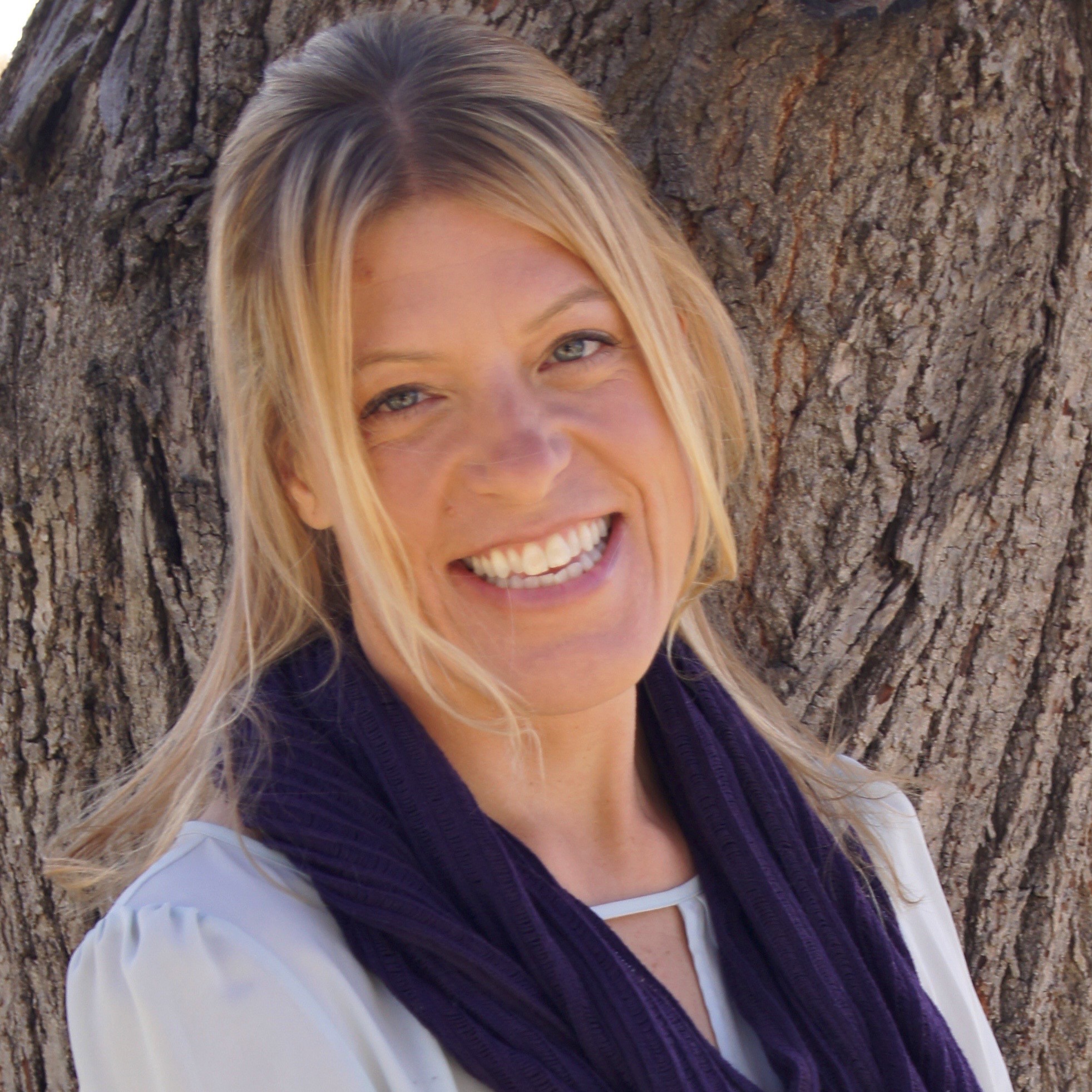
Dr. Sarah Long is a licensed clinical psychologist in Denver, Colorado with more than 18 years of experience treating some of the most complex presentations she encounters — with particular focus on trauma, eating disorders, and psychedelic-assisted therapy. Her work is intensive by design — she is not a weekly check-in therapist. She is the clinician for people who are ready — not just for support, but for real change. The ones who have done the foundational work, know themselves reasonably well, and are wondering why they’re still stuck.
Sarah is also the team lead for the Assessment, Eating Disorders, and KAP teams at The Catalyst Center, where she specializes in therapy intensives, ketamine-assisted psychotherapy, and collaborative psychological assessment. She works from a bio-psycho-social-spiritual framework, which means your history, your inner life, your nervous system and unique physiology, your relationships, and your sense of meaning are all held in the work we do together.
Who Sarah Is In The Room
Before she was a psychologist, Sarah was a competitive big mountain snowboarder, a downhill mountain biker, and a wildland firefighter on a helicopter rappel crew in Jackson, Wyoming. That background is not incidental. It shaped a nervous system that does not rattle easily — and a core, bone-deep belief that people can come through extraordinarily hard things.
In the therapy room, that translates to a calm, unhurried presence. Sarah does not have an agenda for how your healing should look or how fast it should move. She trusts the process — the medicine, the relationship, the timing — and she brings what she calls “clean presence”: no fear of what might come up, no need to steer you away from the hard parts.
She is also, in her own words, genuinely herself in the room. Warm and deeply compassionate — and grounded enough to sit with you in the unknown without needing to rush you out of it. She will not tell you what to do. She will be honest with you. She believes wholeheartedly in your capacity to heal.
Sarah’s work centers on three core offerings, often used in combination.
 Therapy Intensives
For some people, traditional weekly therapy moves too slowly. A therapy intensive offers something different: concentrated, focused time to go deeper than a 50-minute session allows. Sarah’s intensives integrate EMDR, Internal Family Systems (IFS), and ketamine-assisted psychotherapy — woven together based on what you need and where you are.
Intensives work particularly well for trauma, grief, eating disorder recovery, and situations where someone has been stuck — doing the work, but not quite breaking through to the other side.
For clients who want to hit the ground running, Sarah often begins with a brief therapeutic psychological assessment — a way to quickly map the underlying terrain, identify what’s driving the stuck places, and build an intensive that actually fits. Think of it less like testing and more like getting your bearings before the climb.
Ketamine-Assisted Psychotherapy (KAP)
Sarah is a Certified Psychedelic-Assisted Therapy Provider and serves as the KAP team lead at The Catalyst Center. She believes strongly in the healing potential of psychedelic medicine for a range of experiences — trauma, grief and loss, eating disorders, existential crisis, burnout, and compassion fatigue — and works with clients seeking both full-dose and low-dose ketamine protocols, psychedelic integration, and preparation for those working with medicines outside of a clinical setting.
Psychedelic-assisted therapy sits at the intersection of neuroscience, deep relational work, and often spirituality — and for Sarah, that intersection is exactly where she has always lived. It is a natural fit for how she understands healing. She has her own relationship with psychedelic medicine, which informs how she shows up in this work in ways that no training alone can.
 Collaborative Psychological Assessment
Sarah is trained in the Collaborative Therapeutic Assessment model — an approach that treats psychological evaluation as a therapeutic process rather than something done to you. She takes the time to get to know you deeply, and assessment results are specific to you as a person — not a generic report, but something actually applicable to your real questions about yourself and useful to your care team.
She has a particular interest in assessment for complex eating disorder cases, where an individual or their treatment team feels stuck or unsure which direction to go. A specialized eating disorder assessment can provide diagnostic clarity, a comprehensive understanding of contributing factors, and insight into potential barriers to full recovery — the difference between years of spinning wheels and a treatment approach that finally fits.
Who I Work With
While Sarah works with a wide range of clients in assessment and KAP, she brings particular depth to communities she knows from the inside — populations often underserved by traditional mental health approaches. These are people whose lives involve high stakes, high intensity, and a particular kind of hardship that requires a clinician who actually gets it.
 Extreme and Mountain Athletes
Sarah’s own background as a competitive big mountain snowboarder, snowboard coach, and wildland firefighter on a helicopter rappel crew in Jackson, Wyoming means she understands this culture from the inside — the intensity, the risk, the identity that gets built around doing challenging, and at times risky, things in big terrain.
She works with climbers, skiers, snowboarders, mountain bikers, and water sports athletes navigating trauma, catastrophic injury, and the particular grief that lives in this community — whether that’s the aftermath of an accident, the emotional weight of performance pressure, or the devastating loss that follows when the mountains take someone you love.
She also works with family members navigating grief and the aftermath of fatal accidents or career-ending injuries. Sarah has her own relationship with this kind of loss — which is part of why she shows up the way she does for this community.
Her approach integrates EMDR, IFS, and when appropriate, psychedelic-assisted therapy — tailored to where you are and what the situation actually calls for.
Veterans, First Responders, and the Families Who Carry the Trauma Too
Sarah grew up in a military family, and her father’s PTSD shaped her understanding of what the aftermath of war and military culture does to families — not just to the service member. She knows firsthand how trauma moves through a household, how children absorb what parents can’t say out loud, and how spouses and families are often holding just as much as the person who deployed or ran toward the fire.
She works with veterans, active duty service members, first responders, search and rescue personnel, and firefighters navigating trauma, moral injury, and the particular challenge of asking for help when your whole identity is built around not needing it. And she works with their families — spouses, partners, and adult children — who are often carrying a weight that nobody thinks to name.
Trauma and PTSD
Trauma is the thread that runs through most of Sarah’s work. Whether it shows up as PTSD, the aftermath of a single catastrophic event, or the slow accumulation of experiences that reshape how a person moves through the world, trauma lives in the nervous system long after the mind has tried to move on.
Sarah works from the understanding that trauma is not a character flaw or a story to be talked out of — it is a physiological imprint, and it responds to approaches that reach the body, not just the thinking mind. She draws on EMDR, Internal Family Systems (IFS), and when appropriate, ketamine-assisted psychotherapy to help clients access and process material that talk therapy alone often can’t reach.
She is especially drawn to people who have already done a lot of work and still feel stuck — who understand their history intellectually but can’t seem to get free of it. That stuck place is exactly where she does some of her best work.
Eating Disorders
Sarah has spent over 18 years working with adults navigating eating disorders and the trauma that almost always underlies them. She is not interested in symptom management for its own sake — she wants to understand what the eating disorder is doing, what it’s protecting, and what becomes possible when those roots are addressed directly.
Her approach is collaborative by nature. She will walk alongside you in this — not ahead of you, not behind you — which means the goals, the pace, and the treatment approach are built around you specifically, not a protocol. She draws from EMDR, IFS, mindful self-compassion, ACT, psychedelic-assisted therapy, and spiritual exploration when it fits. Sustainable recovery, in her experience, requires all of you — which is why the biopsychosocial-spiritual framework isn’t just a philosophy here. It’s practical.
Hear From Sarah
The thing I believe most deeply hasn’t changed in nearly two decades: every person carries an inner healer. Not as a metaphor — as something real, something accessible, often buried under years of survival strategies that had to be there. They got you through. My job is not to fix you. It’s to help create the conditions where that part of you, honestly the true you, can do what it already knows how to do.
Most of us have been taught to look outward for answers — to experts, to diagnoses, to someone who can tell us what’s wrong and how to fix it. I’m interested in something different: helping you reconnect to your own intuition, your inner wisdom, the part of you that knows.
I don’t have an agenda for how your healing should look or how fast it should move. I trust the process — the medicine, the relationship, the timing. I’ve watched this long enough to know that healing happens when we stop forcing it, not when we push harder.
Something else worth knowing: the unseen matters to me. Spirituality isn’t separate from the clinical work for me — it’s part of it. For those who that resonates with, it’s woven into our work together. For those who don’t, we’ll find our own language for what matters.
What I’ve also learned is that healing rarely happens because of a technique alone. It happens in the relationship — in the experience of being truly seen, not rushed, not judged, and not abandoned when things get hard. The relationship between us is not incidental to the work — it is the work, at least in part.
I will meet you where you are. Not where I think you should be, not where the protocol says you ought to be by now — where you actually are. I won’t push you faster than you can move, and I won’t give up on you when you struggle. I know how hard it is to reach out and trust someone new with the most difficult parts of your life. That you’re even considering it is an act of courage. I treat it as the privilege it is.
I will be honest with you — even when that’s uncomfortable. Not harsh, not clinical, but real. I won’t tell you what to do, and I won’t pretend healing is linear — because it isn’t, and anyone who tells you otherwise hasn’t sat with enough people in real pain.
And I will hold hope for you, especially on the days you can’t hold it for yourself. That’s not a platitude. It’s something I’ve done for a long time, for people in some very dark places. They came through. I believe you can too.
What I can promise is this: steady presence, genuine belief in your resilience, and a willingness to stay in the hard places without rushing toward resolution. That’s not a hope — it’s a commitment.
I look forward to meeting you!
~Dr. Sarah Long
Articles and Insights from Dr. Sarah Long
How to Support a Loved One Through Ketamine Therapy
When ADHD Isn’t Clear: How Collaborative Assessment Helps
Holding Fear and Grief Without Collapsing in Violent Times

Education and Certifications
Education
- Post-doctoral Fellowship: ACUTE Center for Eating Disorders at Denver Health Medical Center, 2017-2018
- Psy.D., Clinical Psychology, University of Denver, Graduate School of Professional Psychology, Denver, CO, 2017
- Masters of Science, Clinical Health Psychology and Nutrition, Bastyr University, Seattle, WA, 2009
Certifications
- Certified Psychedelic Assisted Therapy Provider, Integrative Psychiatry Institute, 2022
- Formerly Certified Eating Disorder Specialist- International Association of Eating Disorder Professionals, 2018 – 2023
Professional Experience and Advanced Training
Advanced Trainings and Symposiums
- Using the Crisi Wartegg System (CWS) within the Alternative Model of Personality Disorders (AMPD) Framework, 2026
- Stepping Stones – IFS 4-month training, Internal Family Systems Counseling Association, 2024
- Psychedelics and Eating Disorders, 2024
- Internal Family Systems (IFS) and Psychedelic Therapy, 2023
-
Psychedelic Science Conference, Multidisciplinary Association for Psychedelic Studies – MAPS, 2023
- EMDR with Eating Disorders: Breaking the Cycle, 2021
- International Association of Eating Disorders Professionals Symposium:s Evidence Based Treatment and Treatment Based Evidence: 2018, 2011
- EMDR Basic Training Levels 1 & 2, 50-hours EMDRIA Approved Certificate Training, 2011
Presentations, Research & Publications
Presentations and Podcasts
- Body Image and Nutrition for Athletes, Thrive’s seven hour program for Dancers Grades 7-12, Dancer’s Workshop, Jackson, WY. 2010 – 2013
- Eating Disorder: Recognition, Assessment, and Treatment, 2 CEU’s training for local therapists, Wyoming Continuing Education Collaborative, 2012
- Eating Disorder: Recognition, Assessment, and Treatment”, Health Medicine Forum, St. John’s Medical Center, Jackson, WY, 2011
- “Food and Mood”, Lunch and Learn Presentation, Community Health Information Center at St. John’s Medical Center, Jackson, WY, 2011
Publications
- Doctoral Paper/Dissertation: The Clinical Utility of Incorporating Therapeutic Assessment into the Treatment of Eating Disorders with Adolescents
- Potential ethical dilemmas in the treatment of eating disorders , Published in Psychotherapy Bulletin, 2014
Let’s Get Started!
Fill out the form to book an appointment with Dr. Sarah Long.
We are committed to helping you find a great fit with a therapist, which is why we offer every new client a FREE initial consultation.
There are two easy ways to connect with us. Call our office at 720-675-7123 and press “1” to be connected. Fill out the contact form to request an appointment or to learn more.